How to Invest in Rental Properties with Low Down Payment: 7 Ultimate Hacks
Unlock real estate wealth with our ultimate guide on how to invest in rental properties with low down payment. Discover 7 proven strategies including FHA loans, seller financing, and creative hacks.
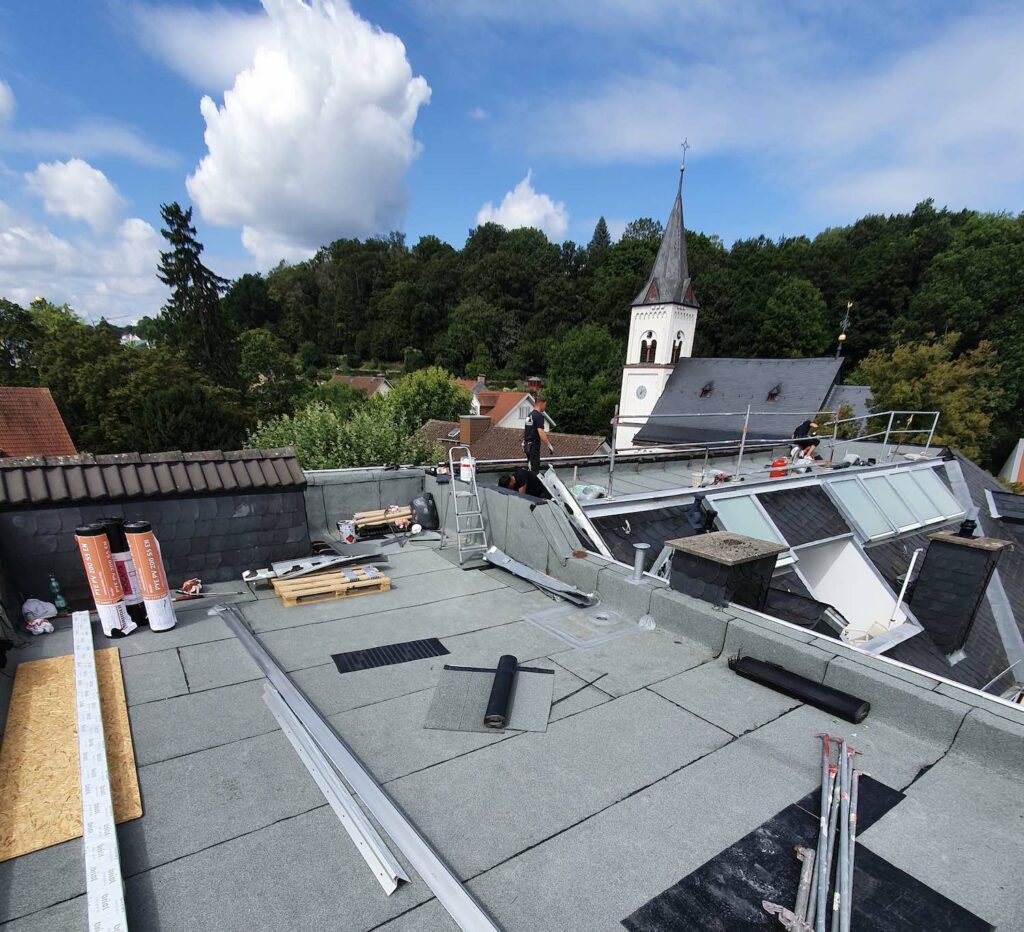
Unlocking real estate wealth doesn’t require a massive bank account. Discover how to invest in rental properties with low down payment using these proven, budget-friendly strategies.
1. Understanding the Real Estate Financing Landscape

Before diving into specific low-down payment strategies, it is crucial to understand the broader landscape of real estate financing. Many aspiring landlords are intimidated by the traditional 20% down payment rule, assuming it is an absolute requirement. While conventional lenders often prefer a 20% down payment to avoid Private Mortgage Insurance (PMI), there are numerous alternative financing structures designed specifically for investors with limited capital.
The goal of this section is to shift your mindset from ‘I don’t have enough money’ to ‘I need the right financing structure.’ By mastering the terminology and the different loan programs available, you can navigate the market with confidence. Lenders evaluate risk based on multiple factors, including your credit score, debt-to-income ratio (DTI), and the property’s potential cash flow, not just the size of your down payment.
Conventional Loans vs. Government-Backed Options
Conventional loans are offered by private lenders and typically require higher down payments for investment properties, usually ranging from 15% to 25%. However, government-backed loans like FHA (Federal Housing Administration) and VA (Department of Veterans Affairs) loans offer significantly lower down payment requirements, sometimes as low as 3.5% or 0%. The challenge with these loans is that they are primarily intended for primary residences, which leads to creative workarounds like the ‘house hacking’ strategy discussed later in this article.
The Impact of Credit Score and DTI
When you are asking a lender to finance a larger portion of the property’s value, your personal financial health becomes even more critical. A high credit score (typically 740 or above) signals to lenders that you are a low-risk borrower, potentially allowing you to secure better interest rates and qualify for low-down payment programs. Similarly, your Debt-to-Income (DTI) ratio—the percentage of your gross monthly income that goes toward paying debts—must be well-managed. Most lenders prefer a DTI below 43% for investment properties, though some portfolio lenders might be more flexible if you have other compensating factors.
“Real estate investing is not about the money you have; it’s about the money you can control. Mastering low-down payment strategies is the key to controlling more assets with less capital.”
2. Creative Financing Strategies for Low Capital
If traditional bank loans feel out of reach, the world of creative financing opens up a universe of possibilities. These strategies rely on negotiation, relationship-building, and alternative sources of capital rather than just your own savings. Learning how to invest in rental properties with low down payment often involves thinking outside the box and leveraging the seller’s motivation or the property’s potential.
Seller Financing: The Bank in Your Backyard
Seller financing, also known as owner financing, occurs when the property seller acts as the lender.Instead of paying the full purchase price upfront, you make monthly payments directly to the seller, including interest.This is an excellent strategy for buyers with less-than-perfect credit or those who cannot secure traditional financing.
.Sellers might be willing to offer this if they want a steady income stream, want to avoid capital gains taxes by spreading the sale over time, or have a property that is difficult to sell on the open market.Typically, a seller will still require a down payment, but it is often negotiable and can be significantly lower than what a bank would demand..
Lease Options and Subject-To Transactions
Lease options (or rent-to-own) allow you to lease a property with the option to buy it at a later date for a pre-negotiated price.A portion of your monthly rent often goes toward the eventual down payment, effectively allowing you to build equity while you live in or manage the property.’Subject-to’ transactions involve taking over the existing mortgage payments of the seller without formally assuming the loan.
.The deed is transferred to you, but the mortgage remains in the seller’s name.This can be a powerful way to acquire a property with little to no money down, provided the existing loan is current and the seller is motivated to hand over the property to relieve themselves of the burden..
3. Government-Backed Loans: FHA and VA
Government-backed loans are among the most accessible tools for first-time investors looking to enter the market with minimal cash. These programs are designed to make homeownership more affordable, and with the right approach, they can be adapted for investment purposes. Understanding the specific rules and loopholes of these loans is essential to using them effectively for building a rental property portfolio.
FHA Loans: The 3.5% Down Payment Powerhouse
FHA loans are insured by the Federal Housing Administration and allow qualified buyers to purchase a home with as little as 3.5% down if their credit score is 580 or higher. The catch is that FHA loans are strictly for primary residences. However, this is where the concept of ‘house hacking’ comes into play. By purchasing a multi-unit property (duplex, triplex, or four-plex) and living in one of the units while renting out the others, you can use an FHA loan to finance the entire property. Your rent from the other units can help cover the mortgage, effectively allowing you to live for free or even generate positive cash flow while building your portfolio.
VA Loans: Zero Down for Eligible Veterans
For eligible veterans, active-duty service members, and certain surviving spouses, VA loans offer the ultimate low-down payment advantage: 0% down. Like FHA loans, VA loans are intended for primary residences, but they can be used to purchase multi-unit properties up to four units. This means a qualified veteran could buy a four-plex with no money down, live in one unit, and rent out the other three. The VA also offers a funding fee, which can be financed into the loan, further reducing the upfront cash required. It is a powerful benefit that can provide a significant head start in real estate investing.
4. Partnering and Pooling Resources
One of the most underrated strategies for how to invest in rental properties with low down payment is to simply not do it alone. By partnering with other investors or pooling resources within a family or friend group, you can combine capital, skills, and creditworthiness to qualify for larger loans and better properties than you could on your own. This approach not only reduces the individual financial burden but also spreads the risk and diversifies the skill set involved in managing the investment.
Forming Investment Syndications
Syndication involves pooling money from multiple investors to purchase a larger property, such as an apartment complex or a commercial building. As a limited partner, you contribute capital in exchange for a share of the profits, while a general partner manages the deal. This allows individuals with relatively small amounts of capital to participate in large-scale investments that would otherwise be inaccessible. Syndications can range from small, informal groups of friends to large, professionally managed funds. It is crucial to have clear legal agreements in place outlining each partner’s role, profit-sharing arrangement, and exit strategy.
Family and Friend Joint Ventures
Before seeking outside investors, look within your own network. A family member or a trusted friend might have the capital but lack the time or expertise to manage a rental property, while you have the skills but lack the funds. A joint venture allows you to combine these strengths. For example, you could put down a smaller percentage of the down payment while your partner covers the rest, with the understanding that you will handle the property management and they will receive a proportionate share of the cash flow. Clear communication and a written partnership agreement are vital to prevent misunderstandings and protect relationships.
5. Targeting the Right Properties and Markets
Not all properties are created equal, and choosing the right one can make or break your low-down payment strategy. When you are financing a large portion of the purchase price, the property’s ability to generate strong cash flow from day one becomes paramount. You need to identify markets and property types that offer the best risk-adjusted returns for your specific financial situation.
The Power of House Hacking with Multi-Unit Properties
As mentioned earlier, house hacking is a cornerstone strategy for investors using low-down payment loans like FHA. By targeting duplexes, triplexes, or four-plexes, you can use the rental income from the other units to offset your mortgage payment. This not only reduces your personal housing expense but also allows you to qualify for the loan based on the combined rental income of the property, even if your personal income is modest. This strategy is particularly effective in markets with high rental demand and relatively affordable multi-unit properties.
Fixer-Uppers and Value-Add Opportunities
Properties that require renovation often come with a lower purchase price, which means a lower down payment amount. Additionally, by improving the property, you can increase its rental income potential and overall value, creating immediate equity. Rehab loans like the FHA 203(k) or conventional renovation loans can be used to finance both the purchase and the renovation costs, allowing you to acquire and improve a property with a minimal initial cash outlay. The key is to accurately estimate the renovation costs and the after-repair value (ARV) to ensure the project remains profitable.
6. Maximizing Cash Flow and Minimizing Risks
Investing with a low down payment means you will have a higher monthly mortgage payment relative to your equity stake. Therefore, maximizing cash flow and mitigating risks is not just a best practice; it is a necessity for long-term success. You must be meticulous in your analysis and proactive in your property management to ensure that the investment can withstand unexpected expenses and market fluctuations.
Accurate Pro Forma Analysis
A pro forma is a projected financial statement that estimates the property’s income and expenses over a specific period, usually one year. When analyzing a property with a low down payment, you must be conservative in your income projections and aggressive in your expense estimates. Factor in vacancy rates, property management fees, maintenance reserves, property taxes, insurance, and the mortgage payment. A good rule of thumb is to aim for a positive cash flow even after accounting for a 10-15% vacancy rate and a 5-10% buffer for unexpected repairs. Online calculators and software can help you create detailed pro formas to ensure the numbers make sense.
Building a Robust Reserve Fund
Because you have less equity cushion, unexpected expenses can quickly derail your investment. It is essential to build a robust reserve fund that can cover several months of mortgage payments and major repairs. This fund should be separate from your operating capital and only used for emergencies. A common recommendation is to have at least six months of mortgage payments and operating expenses saved up. This financial safety net will allow you to weather downturns and avoid having to sell the property at a loss if a major issue arises.
“Cash flow is king in real estate investing. When you start with a low down payment, your focus must be on generating consistent, positive cash flow to build equity over time and protect your investment.”
7. Advanced Tactics and Long-Term Wealth Building
Once you have successfully acquired your first rental property with a low down payment, the real journey begins. The goal is not just to own one property, but to build a portfolio that generates passive income and appreciates in value over time. Advanced tactics involve leveraging the equity in your existing properties to acquire more, refinancing to pull out cash, and continuously optimizing your operations to maximize returns.
The Power of Refinancing and Home Equity Lines of Credit (HELOCs)
As your rental properties appreciate in value and you pay down the principal, you will build equity. This equity can be tapped through refinancing or a HELOC to fund the down payment on your next property. This process, known as ‘recycling capital,’ allows you to continuously grow your portfolio without needing to save up large sums of cash each time. However, refinancing should be done strategically, ensuring that the new loan terms are favorable and that the property’s cash flow can still support the new debt.
Scaling Your Portfolio with BRRRR Strategy
The BRRRR strategy (Buy, Rehab, Rent, Refinance, Repeat) is a popular method for scaling a real estate portfolio with limited capital. You buy a distressed property, rehab it to increase its value, rent it out to generate cash flow, and then refinance it based on its new, higher appraised value. The goal is to pull out most or all of your initial investment during the refinance, which you can then use to repeat the process with another property. This strategy requires a keen eye for undervalued properties and the ability to manage renovations efficiently, but it can be a powerful engine for wealth creation.
Frequently Asked Questions (FAQ)
What is the absolute minimum down payment for an investment property?
The absolute minimum can be 0% if you are an eligible veteran using a VA loan for a multi-unit property you will live in. For conventional investment properties (non-owner occupied), the minimum is typically 15-20%. However, for owner-occupied multi-unit properties, FHA loans allow for as little as 3.5% down.
Do I need a perfect credit score to get a low-down payment loan?
While a perfect score is not required, a higher credit score (740+) will significantly improve your chances of approval and secure better interest rates. For FHA loans, a score of 580 is generally the minimum for 3.5% down, but lenders may have their own ‘overlays’ requiring higher scores.
Is it risky to invest in rental properties with a low down payment?
Yes, it carries more risk than a traditional 20% down payment because you have less equity cushion against market downturns or unexpected expenses. However, this risk can be mitigated through thorough due diligence, accurate cash flow analysis, and maintaining a strong reserve fund.
Can I use a low-down payment loan for a single-family home rental?
Directly, no. Government-backed loans like FHA and VA require the borrower to live in the property as their primary residence. To use these for a single-family rental, you would need to live in it for at least one year (as per FHA guidelines) before converting it to a rental, or use a creative financing strategy like seller financing.
How do I find sellers willing to offer seller financing?
Look for properties that have been on the market for a long time, are owned by absentee owners, or are in ‘pre-foreclosure’ status. You can also drive for dollars to find distressed properties and send letters directly to the owners proposing a seller finance deal. Real estate wholesalers and investors who specialize in off-market deals can also be a good source.
In conclusion, learning how to invest in rental properties with low down payment is not about finding a magic bullet, but about mastering a combination of financial tools, creative strategies, and disciplined analysis. By leveraging government-backed loans, exploring creative financing, partnering with others, and targeting the right properties, you can overcome the traditional barriers to entry and start building your real estate empire. Remember, the key is to start with a solid plan, manage your risks carefully, and continuously educate yourself as you grow your portfolio.
Further Reading: